




Agrotechnical support services for farmers
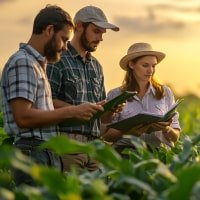
APIA works to promote environmentally, socially and economically responsible production methods in the cotton sector. Our service not only teaches farmers how to use water, land and energy resources efficiently, but also promotes topics such as integrated pest management, climate-resilient farming methods and waste reduction. We contribute to the formation of a culture of sustainable agriculture by collaborating with local and international partners.
Main Focus Areas

Results and benefits:
Sustainable production, green future
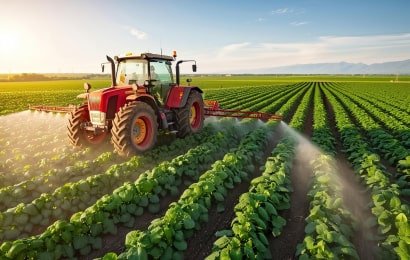
Implementing sustainable production principles allows farmers to increase productivity, optimize resource use, and protect the environment. This approach reduces the risks of climate change, strengthens ecosystem health, and contributes to building a greener and more prosperous world for future generations.
Result:
- Long-term productivity growth
- Cost optimization
- Reducing negative environmental impact
- Strengthening market competitiveness
- A healthy environment for future generations
Benefit:
- Sustainable high yields thanks to the preservation of soil fertility and the maintenance of ecological balance.
- Reduction of production costs through efficient use of resources.
- Protecting soil, water and air quality, reducing carbon footprint.
- Expanding export and sales opportunities by forming a green production image.
- Creating a prosperous ecosystem with climate-sustainable production models.

Frequently Asked Questions
In this section, we provide answers to the most frequently asked questions about our sustainable production promotion service. Our goal is to provide farmers and agricultural sector representatives with clear and practical information about the essence of the service, its application methods, benefits and market advantages.
What does sustainable production mean?
These are production methods that conserve natural resources, ensure economic efficiency, and prioritize social responsibility.
Who is the service intended for?
Suitable for cotton producers, agricultural cooperatives and all farmers who want to implement environmentally responsible production.
What are the main benefits of sustainable production?
High productivity, reduced costs, strengthened market competition and protection of the ecological environment.
What support is provided within the service?
Training, field visits, technical advice, innovative technology implementation and resource management recommendations.
How does sustainable production increase export opportunities?
In international markets, a “green” certificate and an environmentally responsible image help gain the trust of buyers and expand sales channels.